
Globular Cluster RPQ3 Review: Better for Lying Down and Balance
The RPQ3 makes Quest more comfortable against a pillow or headrest and doubles as a 200 g counterweight, but it runs hot and can overload an already-heavy strap.
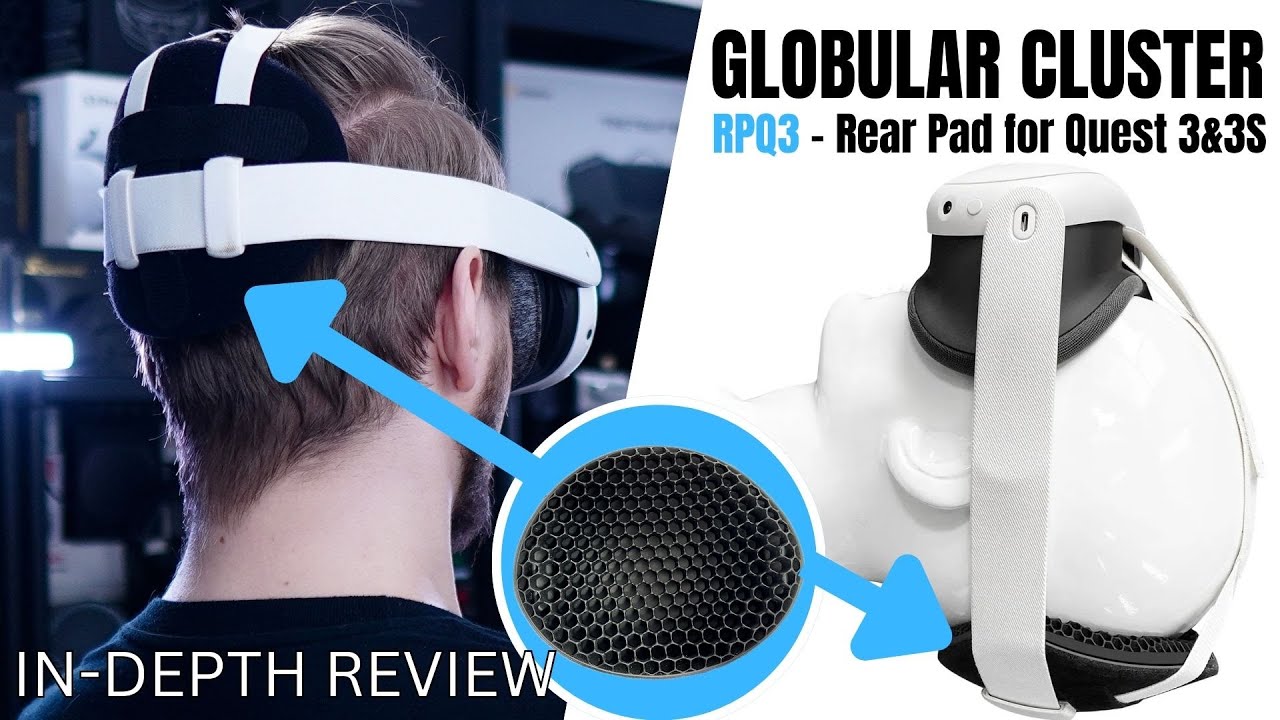
Want the full version? The video review includes all the demonstrations, comparisons and extra details that are easier to show than describe.
Watch the full review on YouTubeDisclosure: The review unit was sent to me for free by Globular Cluster. I use affiliate links always when they are available. If you buy through one of them, I may earn a commission at no extra cost to you.
Quick verdict
The Globular Cluster RPQ3 is a rear pad for Quest’s stock strap, designed to make lying down more comfortable. It does that well: instead of resting hard adjustment parts against a pillow or seat, I get a broad honeycomb pad behind my head.
It is also a roughly 200 g counterweight. That can make a stock strap or a third-party strap feel much better balanced, but it is too heavy for my main setup, which already carries a large battery, USB hub, headphones and other hardware. The thick pad also gets noticeably hotter than a normal rear cushion.
Pros
- Much more comfortable against a pillow or headrest
- Approximately 200 g helps balance a front-heavy Quest
- Works with the stock strap
- Worked with all third-party straps I tested
- Simple way to improve a strap with no battery counterweight
Cons
- Too heavy when the strap already carries a large battery and accessories
- Traps more heat and sweat than a normal rear pad
Installation and compatibility
On the stock strap, the RPQ3 attaches behind the head with Velcro. The installation is simple, and the pad keeps the original plastic adjustment parts away from the pillow.
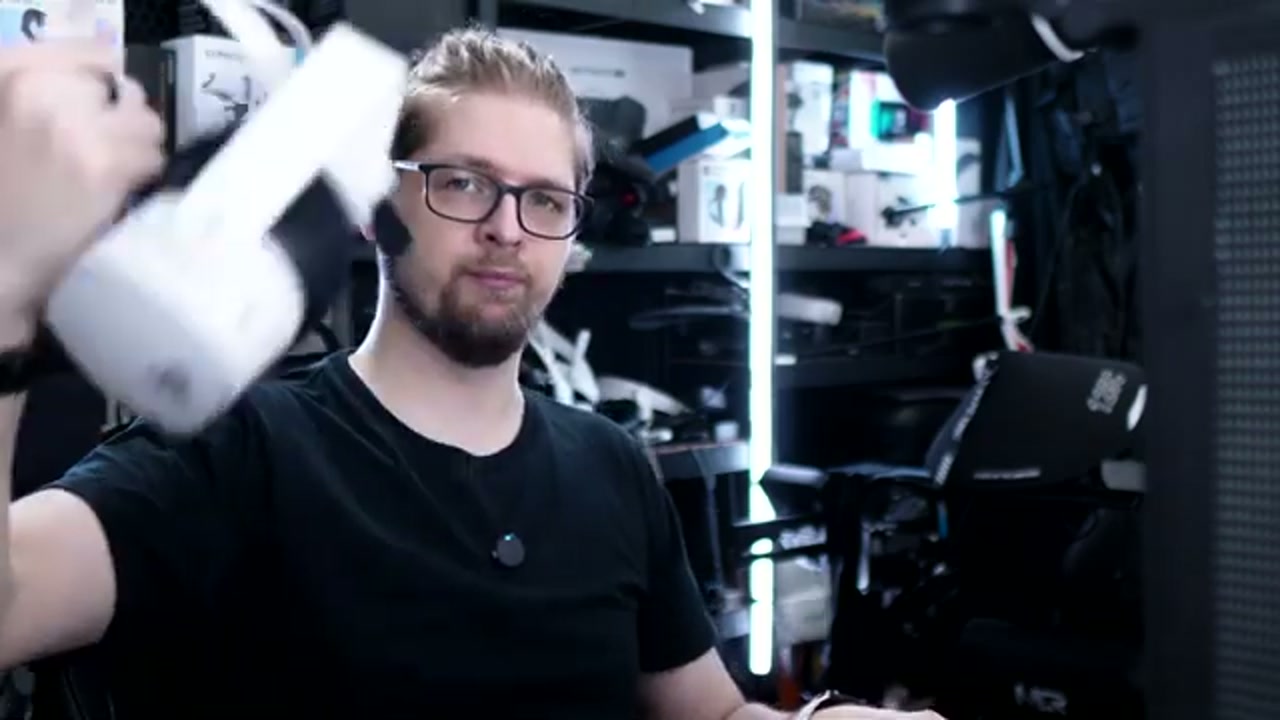 The supplied Velcro secures the pad behind the stock strap.
I also tried it with the third-party straps I had from several brands (over 20 models). It always worked in my tests, although the fit was not visually perfect on every strap. On one wide KIWI rear pad, for example, the RPQ3 was a little too small but the uncovered area did not touch my head, so it made no practical difference.
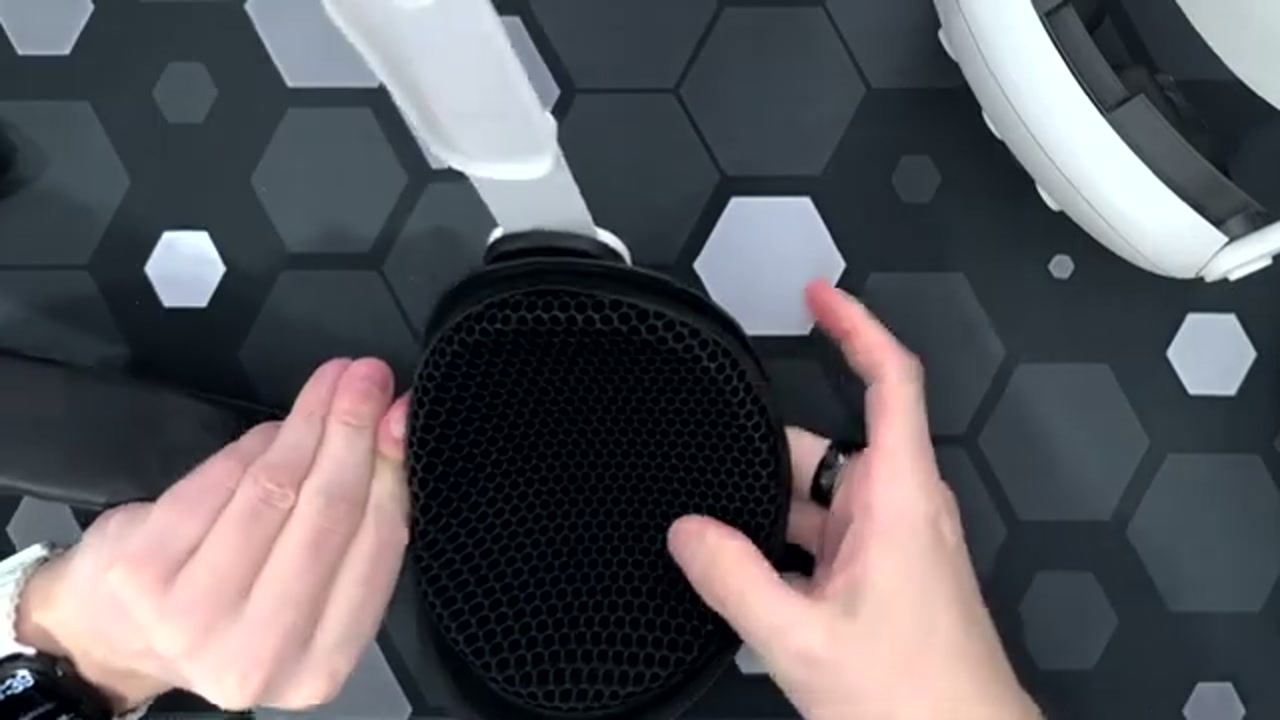 It worked across my third-party straps even when the shapes did not match perfectly.
That does not guarantee universal compatibility with every strap ever made, but the flexible Velcro installation is forgiving.
A 200 g comfort pad and counterweight
RPQ3 is not just foam. At around 200 g, it weighs about as much as a capable external battery and mount. On a light strap with no battery at the back, that mass reduces the pressure from Quest pulling forward on the face.
The difference was obvious on an unpowered KIWI strap. It became better balanced and more comfortable. It also worked well with some smaller battery straps whose original rear weight was not enough.
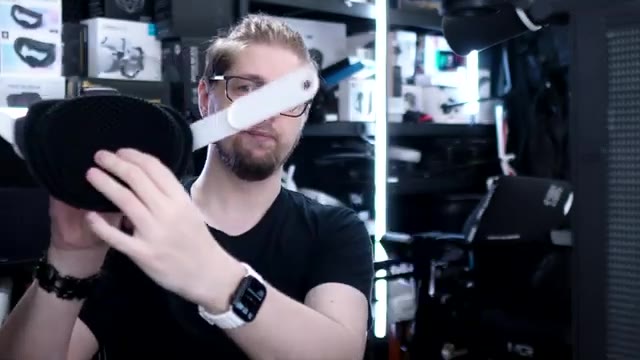 The built-in 200 g mass can balance a strap without a heavy rear battery.
The same weight becomes a disadvantage on my main setup. That strap already carries a heavy battery, USB hub, headphones and other equipment. Adding another 200 g made the whole headset unnecessarily heavy. This is why RPQ3 is not something I leave installed all the time.
Comfort when lying down
This is where RPQ3 makes the most sense. With the stock strap, I can’t rest my head against a pillow without feeling the hard rear adjustment pieces. It is useful for watching TV shows, playing flat games on a virtual screen or using a seated simulator with a headrest.
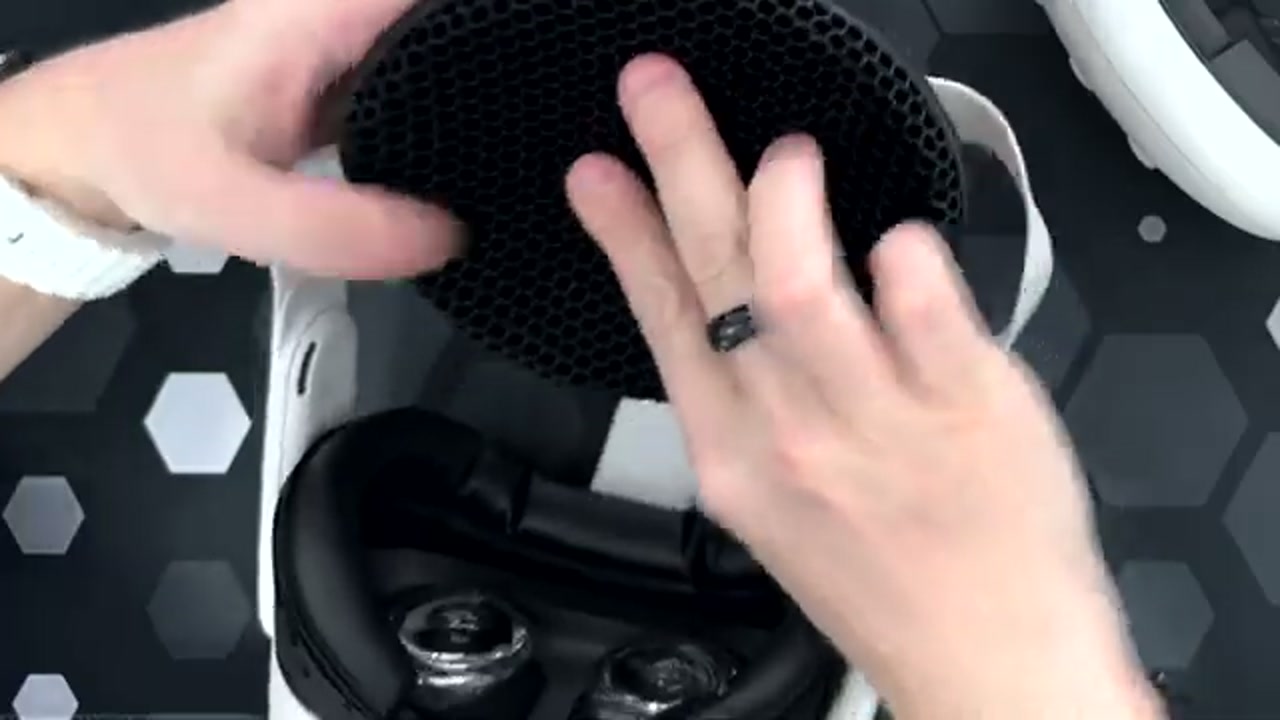 The pad covers the hard rear hardware that normally presses into a pillow.
In my cockpit, it was comfortable whenever I rested my head against the seat. A bass shaker is a separate issue. The vibrations travel through the seat into my head and headset whether I use this pad or not, so RPQ3 does not solve that problem.
Heat and sweat
The thick honeycomb pad runs hotter than a normal rear cushion. I live in Thailand, and I noticed more sweat at the back of my head even with the air conditioner set to 26°C. A pillow makes the area warmer again when I lie down, but I also felt the difference during normal standing play.
It was not bad enough to stop me using RPQ3, but it matters if you live in a hot climate. The same dense material that spreads pressure also blocks more airflow.
Not the same pad as Globular Cluster’s head strap
Globular Cluster’s head strap includes another honeycomb rear pad, but it is not the same product! That bundled version is much softer, less dense and around 80 g. RPQ3 is thicker, firmer and much heavier because the counterweight is built into it.
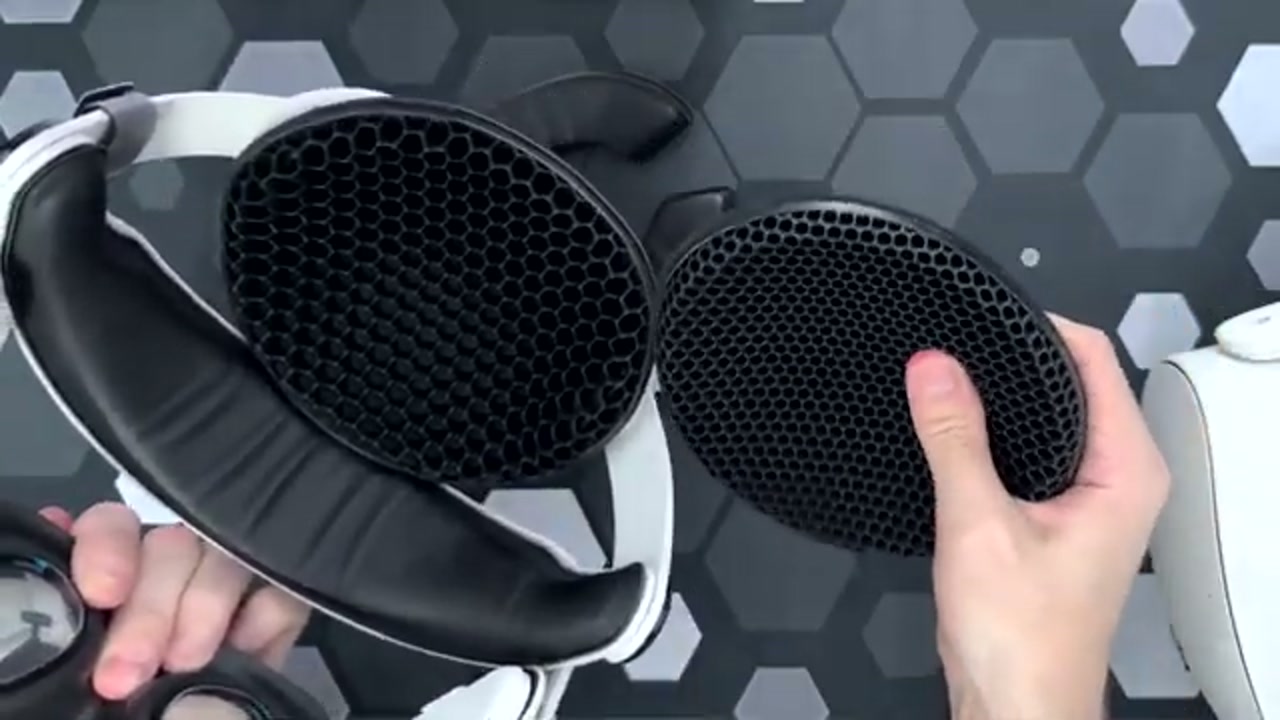 RPQ3 is the thicker, firmer and much heavier pad.
I prefer the softer pad from the full head strap for normal use because it follows the shape of my head better. For lying down, I would still choose one of the honeycomb options over a normal rear pad. RPQ3 makes the most sense when I specifically need its extra mass too.
Should you buy it?
Buy RPQ3 if you regularly watch video or play while lying down, or if your current strap is front-heavy and has no substantial battery at the back. For $15 at the time of my review, it was a simple and useful improvement.
Skip it if your strap already carries a heavy battery. In that situation, 200 g is not a helpful counterweight—it is just more weight. People in hot climates should also expect more warmth and sweat than with a conventional pad.
Watch my original Globular Cluster RPQ3 video review
Interested in Globular Cluster RPQ3?
These are the same affiliate links I use below my YouTube videos. They cost you nothing extra and help support the channel.